

 asked 2 tháng ago
Within the bustling halls of an NHS hospital in Birmingham, a young man named James Stokes moves with quiet purpose. His polished footwear whisper against the floor as he acknowledges colleagues—some by name, others with the familiar currency of a “how are you.”
James carries his identification not merely as institutional identification but as a symbol of belonging. It hangs against a pressed shirt that offers no clue of the challenging road that preceded his arrival.
What separates James from many of his colleagues is not immediately apparent. His bearing gives away nothing of the fact that he was among the first participants of the NHS Universal Family Programme—an effort crafted intentionally for young people who have been through the care system.
“I found genuine support within the NHS structure,” James says, his voice controlled but carrying undertones of feeling. His observation encapsulates the heart of a programme that seeks to reinvent how the massive healthcare system approaches care leavers—those often overlooked young people aged 16-25 who have transitioned from the care system.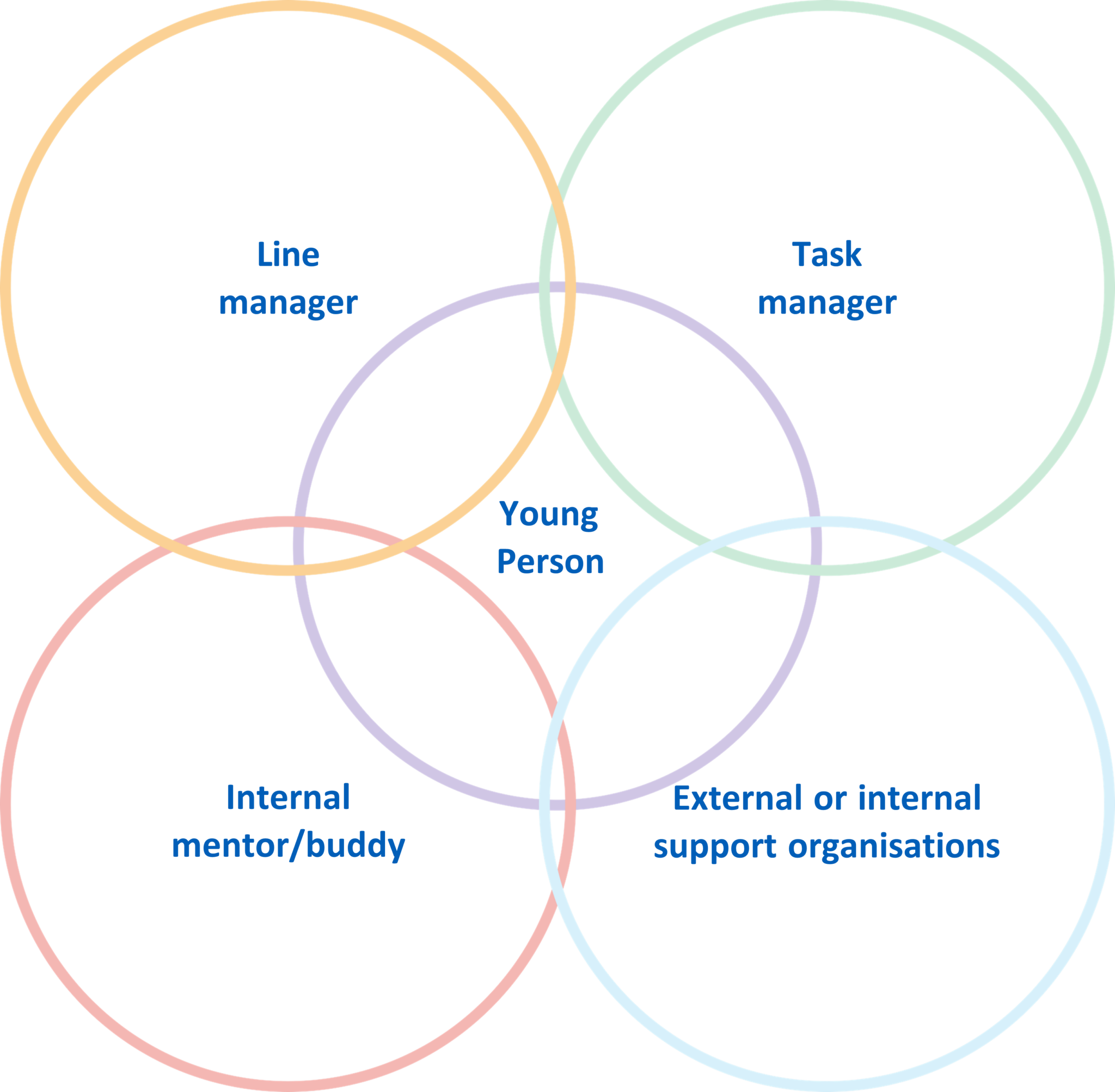
The numbers paint a stark picture. Care leavers frequently encounter higher rates of mental health issues, financial instability, housing precarity, and reduced scholarly attainment compared to their age-mates. Underlying these cold statistics are human stories of young people who have traversed a system that, despite genuine attempts, regularly misses the mark in delivering the nurturing environment that molds most young lives.
The NHS Universal Family Programme, initiated in January 2023 following NHS England’s pledge to the Care Leaver Covenant, signifies a substantial transformation in organizational perspective. At its heart, it acknowledges that the complete state and civil society should function as a “collective parent” for those who have missed out on the stability of a conventional home.
Ten pioneering healthcare collectives across England have blazed the trail, developing structures that rethink how the NHS—one of Europe’s largest employers—can open its doors to care leavers.
The Programme is meticulous in its approach, beginning with thorough assessments of existing procedures, establishing oversight mechanisms, and securing senior buy-in. It acknowledges that effective inclusion requires more than noble aims—it demands practical measures.
In NHS Birmingham and Solihull ICB, where James started his career, they’ve developed a consistent support system with representatives who can deliver help and direction on wellbeing, HR matters, recruitment, and equality, diversity, and inclusion.
The conventional NHS recruitment process—rigid and potentially intimidating—has been thoughtfully adapted. Job advertisements now highlight character attributes rather than long lists of credentials. Applications have been reconsidered to consider the unique challenges care leavers might experience—from missing employment history to struggling with internet access.
Perhaps most significantly, the Programme understands that starting a job can present unique challenges for care leavers who may be handling self-sufficiency without the backup of familial aid. Matters like commuting fees, proper ID, and financial services—assumed basic by many—can become major obstacles.
The elegance of the Programme lies in its attention to detail—from outlining compensation information to offering travel loans until that essential first salary payment. Even seemingly minor aspects like break times and professional behavior are carefully explained.
For James, whose professional path has “revolutionized” his life, the Programme provided more than work. It provided him a sense of belonging—that elusive quality that develops when someone feels valued not despite their background but because their unique life experiences enhances the workplace.
“Working for the NHS isn’t just about doctors and nurses,” James comments, his gaze showing the modest fulfillment of someone who has secured his position. “It’s about a community of different jobs and roles, a team of people who genuinely care.”
The NHS Universal Family Programme represents more than an employment initiative. It exists as a strong assertion that institutions can evolve to welcome those who have navigated different paths. In doing so, they not only change personal trajectories but enrich themselves through the special insights that care leavers provide.
As James walks the corridors, his presence subtly proves that with the right help, care leavers can thrive in environments once considered beyond reach. The embrace that the NHS has extended through this Programme represents not charity but appreciation of overlooked talent and the profound truth that each individual warrants a support system that believes in them.
James carries his identification not merely as institutional identification but as a symbol of belonging. It hangs against a pressed shirt that offers no clue of the challenging road that preceded his arrival.
What separates James from many of his colleagues is not immediately apparent. His bearing gives away nothing of the fact that he was among the first participants of the NHS Universal Family Programme—an effort crafted intentionally for young people who have been through the care system.
“I found genuine support within the NHS structure,” James says, his voice controlled but carrying undertones of feeling. His observation encapsulates the heart of a programme that seeks to reinvent how the massive healthcare system approaches care leavers—those often overlooked young people aged 16-25 who have transitioned from the care system.
The numbers paint a stark picture. Care leavers frequently encounter higher rates of mental health issues, financial instability, housing precarity, and reduced scholarly attainment compared to their age-mates. Underlying these cold statistics are human stories of young people who have traversed a system that, despite genuine attempts, regularly misses the mark in delivering the nurturing environment that molds most young lives.
The NHS Universal Family Programme, initiated in January 2023 following NHS England’s pledge to the Care Leaver Covenant, signifies a substantial transformation in organizational perspective. At its heart, it acknowledges that the complete state and civil society should function as a “collective parent” for those who have missed out on the stability of a conventional home.
Ten pioneering healthcare collectives across England have blazed the trail, developing structures that rethink how the NHS—one of Europe’s largest employers—can open its doors to care leavers.
The Programme is meticulous in its approach, beginning with thorough assessments of existing procedures, establishing oversight mechanisms, and securing senior buy-in. It acknowledges that effective inclusion requires more than noble aims—it demands practical measures.
In NHS Birmingham and Solihull ICB, where James started his career, they’ve developed a consistent support system with representatives who can deliver help and direction on wellbeing, HR matters, recruitment, and equality, diversity, and inclusion.
The conventional NHS recruitment process—rigid and potentially intimidating—has been thoughtfully adapted. Job advertisements now highlight character attributes rather than long lists of credentials. Applications have been reconsidered to consider the unique challenges care leavers might experience—from missing employment history to struggling with internet access.
Perhaps most significantly, the Programme understands that starting a job can present unique challenges for care leavers who may be handling self-sufficiency without the backup of familial aid. Matters like commuting fees, proper ID, and financial services—assumed basic by many—can become major obstacles.
The elegance of the Programme lies in its attention to detail—from outlining compensation information to offering travel loans until that essential first salary payment. Even seemingly minor aspects like break times and professional behavior are carefully explained.
For James, whose professional path has “revolutionized” his life, the Programme provided more than work. It provided him a sense of belonging—that elusive quality that develops when someone feels valued not despite their background but because their unique life experiences enhances the workplace.
“Working for the NHS isn’t just about doctors and nurses,” James comments, his gaze showing the modest fulfillment of someone who has secured his position. “It’s about a community of different jobs and roles, a team of people who genuinely care.”
The NHS Universal Family Programme represents more than an employment initiative. It exists as a strong assertion that institutions can evolve to welcome those who have navigated different paths. In doing so, they not only change personal trajectories but enrich themselves through the special insights that care leavers provide.
As James walks the corridors, his presence subtly proves that with the right help, care leavers can thrive in environments once considered beyond reach. The embrace that the NHS has extended through this Programme represents not charity but appreciation of overlooked talent and the profound truth that each individual warrants a support system that believes in them.
Please login or Register to submit your answer