

 asked 2 tháng ago
In the sterile corridors of Birmingham Women’s and Children’s NHS Foundation Trust, a young man named James Stokes moves with quiet purpose. His smart shoes barely make a sound as he greets colleagues—some by name, others with the comfortable currency of a “how are you.”
James displays his credentials not merely as a security requirement but as a declaration of belonging. It sits against a neatly presented outfit that offers no clue of the challenging road that brought him here.
What sets apart James from many of his colleagues is not visible on the surface. His bearing discloses nothing of the fact that he was among the first recruits of the NHS Universal Family Programme—an initiative created purposefully for young people who have experienced life in local authority care.
“I found genuine support within the NHS structure,” James explains, his voice measured but carrying undertones of feeling. His observation captures the core of a programme that aims to transform how the enormous healthcare system views care leavers—those vulnerable young people aged 16-25 who have emerged from the care system.
The figures tell a troubling story. Care leavers often face higher rates of mental health issues, financial instability, housing precarity, and lower academic success compared to their age-mates. Beneath these clinical numbers are human stories of young people who have traversed a system that, despite genuine attempts, regularly misses the mark in offering the stable base that shapes most young lives.
The NHS Universal Family Programme, launched in January 2023 following NHS England’s promise to the Care Leaver Covenant, represents a substantial transformation in institutional thinking. At its heart, it recognizes that the whole state and civil society should function as a “collective parent” for those who haven’t experienced the stability of a conventional home.
A select group of healthcare regions across England have blazed the trail, establishing structures that rethink how the NHS—one of Europe’s largest employers—can extend opportunities to care leavers.
The Programme is detailed in its methodology, beginning with detailed evaluations of existing practices, forming oversight mechanisms, and garnering senior buy-in. It recognizes that meaningful participation requires more than good intentions—it demands concrete steps.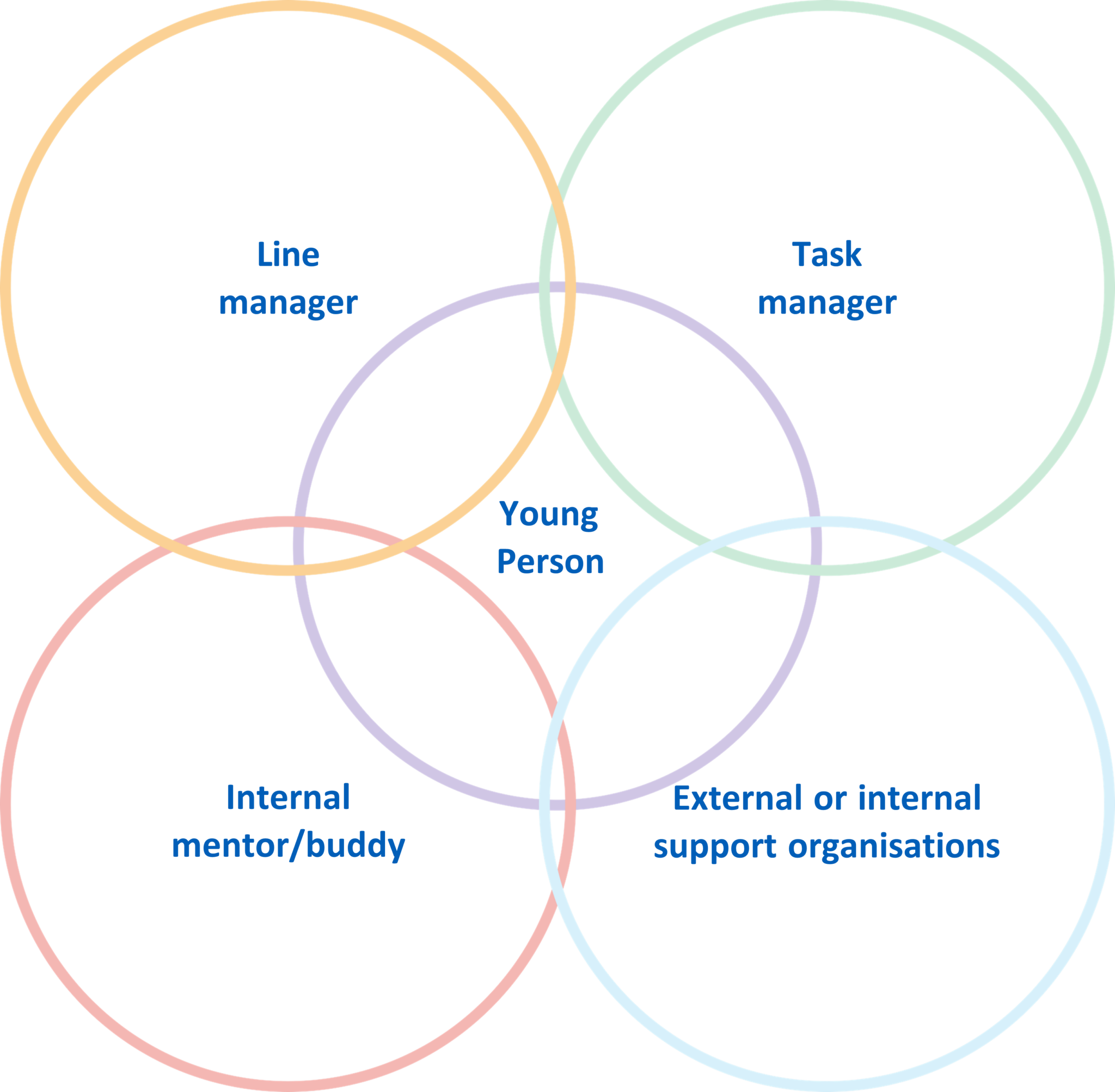
In NHS Birmingham and Solihull ICB, where James began his journey, they’ve established a reliable information exchange with representatives who can offer assistance and counsel on wellbeing, HR matters, recruitment, and equality, diversity, and inclusion.
The conventional NHS recruitment process—formal and potentially intimidating—has been carefully modified. Job advertisements now emphasize character attributes rather than extensive qualifications. Applications have been redesigned to accommodate the unique challenges care leavers might face—from not having work-related contacts to facing barriers to internet access.
Possibly most crucially, the Programme understands that beginning employment can pose particular problems for care leavers who may be handling self-sufficiency without the safety net of family resources. Matters like commuting fees, identification documents, and financial services—taken for granted by many—can become significant barriers.
The elegance of the Programme lies in its meticulous consideration—from explaining payslip deductions to providing transportation assistance until that critical first salary payment. Even apparently small matters like break times and office etiquette are carefully explained.
For James, whose NHS journey has “transformed” his life, the Programme offered more than a job. It offered him a perception of inclusion—that elusive quality that emerges when someone senses worth not despite their history but because their unique life experiences enhances the organization.
“Working for the NHS isn’t just about doctors and nurses,” James notes, his expression revealing the quiet pride of someone who has discovered belonging. “It’s about a collective of different jobs and roles, a group of people who really connect.”
The NHS Universal Family Programme embodies more than an job scheme. It stands as a powerful statement that systems can adapt to include those who have known different challenges. In doing so, they not only transform individual lives but improve their services through the unique perspectives that care leavers bring to the table.
As James walks the corridors, his participation silently testifies that with the right support, care leavers can flourish in environments once deemed unattainable. The support that the NHS has offered through this Programme signifies not charity but appreciation of untapped potential and the essential fact that all people merit a support system that believes in them.
James displays his credentials not merely as a security requirement but as a declaration of belonging. It sits against a neatly presented outfit that offers no clue of the challenging road that brought him here.
What sets apart James from many of his colleagues is not visible on the surface. His bearing discloses nothing of the fact that he was among the first recruits of the NHS Universal Family Programme—an initiative created purposefully for young people who have experienced life in local authority care.
“I found genuine support within the NHS structure,” James explains, his voice measured but carrying undertones of feeling. His observation captures the core of a programme that aims to transform how the enormous healthcare system views care leavers—those vulnerable young people aged 16-25 who have emerged from the care system.
The figures tell a troubling story. Care leavers often face higher rates of mental health issues, financial instability, housing precarity, and lower academic success compared to their age-mates. Beneath these clinical numbers are human stories of young people who have traversed a system that, despite genuine attempts, regularly misses the mark in offering the stable base that shapes most young lives.
The NHS Universal Family Programme, launched in January 2023 following NHS England’s promise to the Care Leaver Covenant, represents a substantial transformation in institutional thinking. At its heart, it recognizes that the whole state and civil society should function as a “collective parent” for those who haven’t experienced the stability of a conventional home.
A select group of healthcare regions across England have blazed the trail, establishing structures that rethink how the NHS—one of Europe’s largest employers—can extend opportunities to care leavers.
The Programme is detailed in its methodology, beginning with detailed evaluations of existing practices, forming oversight mechanisms, and garnering senior buy-in. It recognizes that meaningful participation requires more than good intentions—it demands concrete steps.
In NHS Birmingham and Solihull ICB, where James began his journey, they’ve established a reliable information exchange with representatives who can offer assistance and counsel on wellbeing, HR matters, recruitment, and equality, diversity, and inclusion.
The conventional NHS recruitment process—formal and potentially intimidating—has been carefully modified. Job advertisements now emphasize character attributes rather than extensive qualifications. Applications have been redesigned to accommodate the unique challenges care leavers might face—from not having work-related contacts to facing barriers to internet access.
Possibly most crucially, the Programme understands that beginning employment can pose particular problems for care leavers who may be handling self-sufficiency without the safety net of family resources. Matters like commuting fees, identification documents, and financial services—taken for granted by many—can become significant barriers.
The elegance of the Programme lies in its meticulous consideration—from explaining payslip deductions to providing transportation assistance until that critical first salary payment. Even apparently small matters like break times and office etiquette are carefully explained.
For James, whose NHS journey has “transformed” his life, the Programme offered more than a job. It offered him a perception of inclusion—that elusive quality that emerges when someone senses worth not despite their history but because their unique life experiences enhances the organization.
“Working for the NHS isn’t just about doctors and nurses,” James notes, his expression revealing the quiet pride of someone who has discovered belonging. “It’s about a collective of different jobs and roles, a group of people who really connect.”
The NHS Universal Family Programme embodies more than an job scheme. It stands as a powerful statement that systems can adapt to include those who have known different challenges. In doing so, they not only transform individual lives but improve their services through the unique perspectives that care leavers bring to the table.
As James walks the corridors, his participation silently testifies that with the right support, care leavers can flourish in environments once deemed unattainable. The support that the NHS has offered through this Programme signifies not charity but appreciation of untapped potential and the essential fact that all people merit a support system that believes in them.
Please login or Register to submit your answer