

 asked 3 tháng ago
 In the sterile corridors of Birmingham Women’s and Children’s NHS Foundation Trust, a young man named James Stokes navigates his daily responsibilities with subtle confidence. His oxford shoes move with deliberate precision as he acknowledges colleagues—some by name, others with the familiar currency of a “hello there.”
James displays his credentials not merely as a security requirement but as a testament of belonging. It rests against a pressed shirt that offers no clue of the difficult path that brought him here.
What distinguishes James from many of his colleagues is not immediately apparent. His bearing gives away nothing of the fact that he was among the first participants of the NHS Universal Family Programme—an undertaking created purposefully for young people who have experienced life in local authority care.
“The Programme embraced me when I needed it most,” James reflects, his voice controlled but tinged with emotion. His statement encapsulates the core of a programme that strives to transform how the massive healthcare system perceives care leavers—those frequently marginalized young people aged 16-25 who have emerged from the care system.
The statistics tell a troubling story. Care leavers commonly experience poorer mental health outcomes, economic uncertainty, shelter insecurities, and lower academic success compared to their age-mates. Beneath these clinical numbers are human stories of young people who have navigated a system that, despite genuine attempts, often falls short in offering the nurturing environment that shapes most young lives.
The NHS Universal Family Programme, launched in January 2023 following NHS England’s commitment to the Care Leaver Covenant, represents a significant change in organizational perspective. Fundamentally, it accepts that the whole state and civil society should function as a “collective parent” for those who haven’t experienced the constancy of a typical domestic environment.
Ten pioneering healthcare collectives across England have led the way, creating systems that reimagine how the NHS—one of Europe’s largest employers—can extend opportunities to care leavers.
The Programme is thorough in its approach, starting from thorough assessments of existing practices, creating management frameworks, and securing leadership support. It acknowledges that meaningful participation requires more than lofty goals—it demands practical measures.
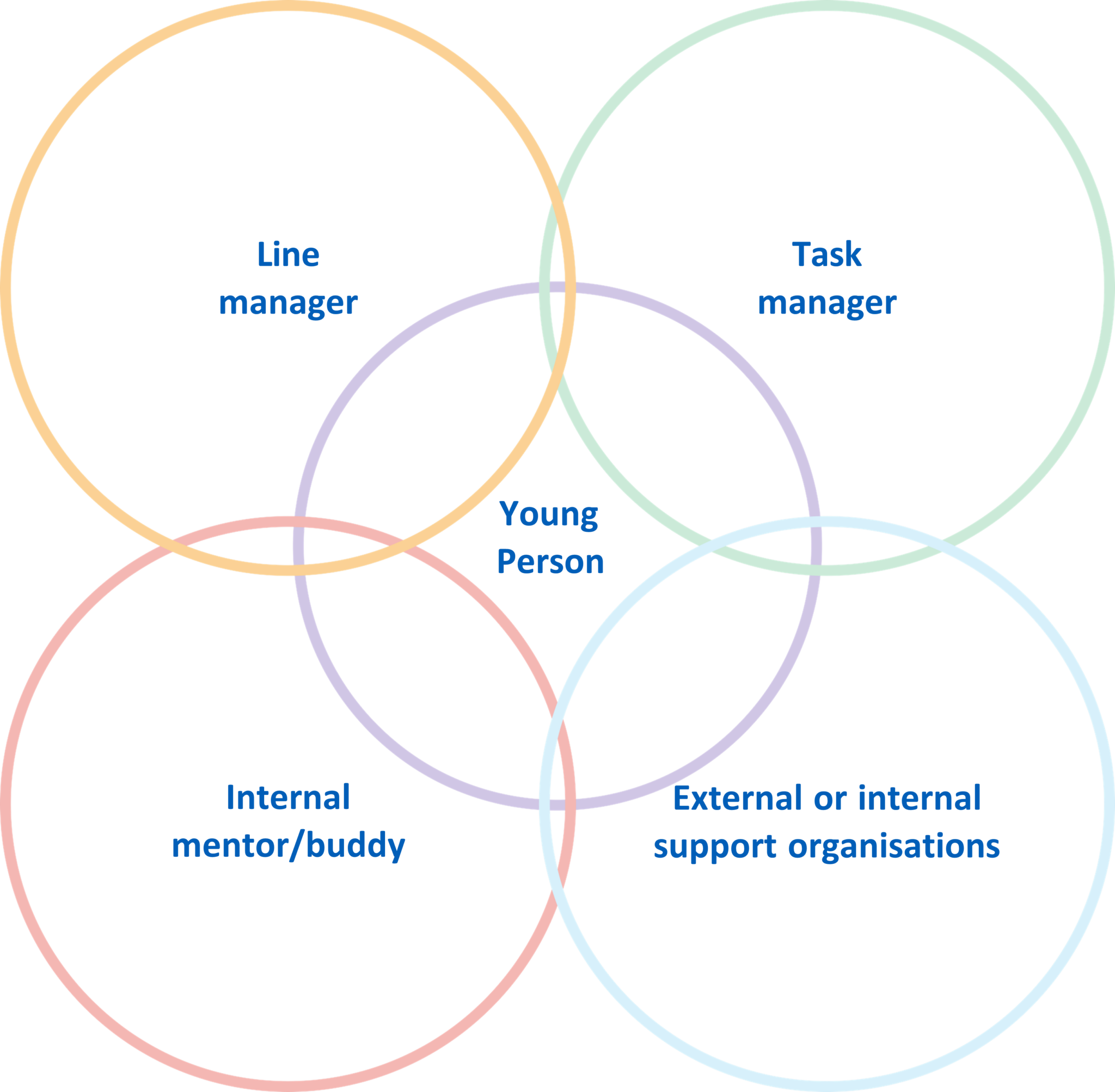
In NHS Birmingham and Solihull ICB, where James started his career, they’ve developed a regular internal communication network with representatives who can offer assistance and counsel on mental health, HR matters, recruitment, and EDI initiatives.
The conventional NHS recruitment process—formal and potentially intimidating—has been intentionally adjusted. Job advertisements now emphasize attitudinal traits rather than long lists of credentials. Application processes have been redesigned to accommodate the unique challenges care leavers might encounter—from not having work-related contacts to having limited internet access.
Possibly most crucially, the Programme acknowledges that entering the workforce can present unique challenges for care leavers who may be handling self-sufficiency without the support of familial aid. Matters like travel expenses, proper ID, and financial services—taken for granted by many—can become significant barriers.
The elegance of the Programme lies in its meticulous consideration—from outlining compensation information to helping with commuting costs until that essential first salary payment. Even apparently small matters like rest periods and office etiquette are deliberately addressed.
For James, whose NHS journey has “revolutionized” his life, the Programme provided more than work. It provided him a perception of inclusion—that elusive quality that grows when someone is appreciated not despite their history but because their unique life experiences enriches the institution.
“Working for the NHS isn’t just about doctors and nurses,” James notes, his gaze showing the subtle satisfaction of someone who has discovered belonging. “It’s about a collective of different jobs and roles, a group of people who genuinely care.”
The NHS Universal Family Programme represents more than an employment initiative. It exists as a strong assertion that organizations can adapt to embrace those who have experienced life differently. In doing so, they not only change personal trajectories but enrich themselves through the unique perspectives that care leavers bring to the table.
As James walks the corridors, his involvement subtly proves that with the right support, care leavers can succeed in environments once considered beyond reach. The support that the NHS has extended through this Programme represents not charity but recognition of untapped potential and the fundamental reality that everyone deserves a community that champions their success.
Please login or Register to submit your answer